NR12 Machine Safety
NR12 Risk Assessment, Reports and Safety Upgrades
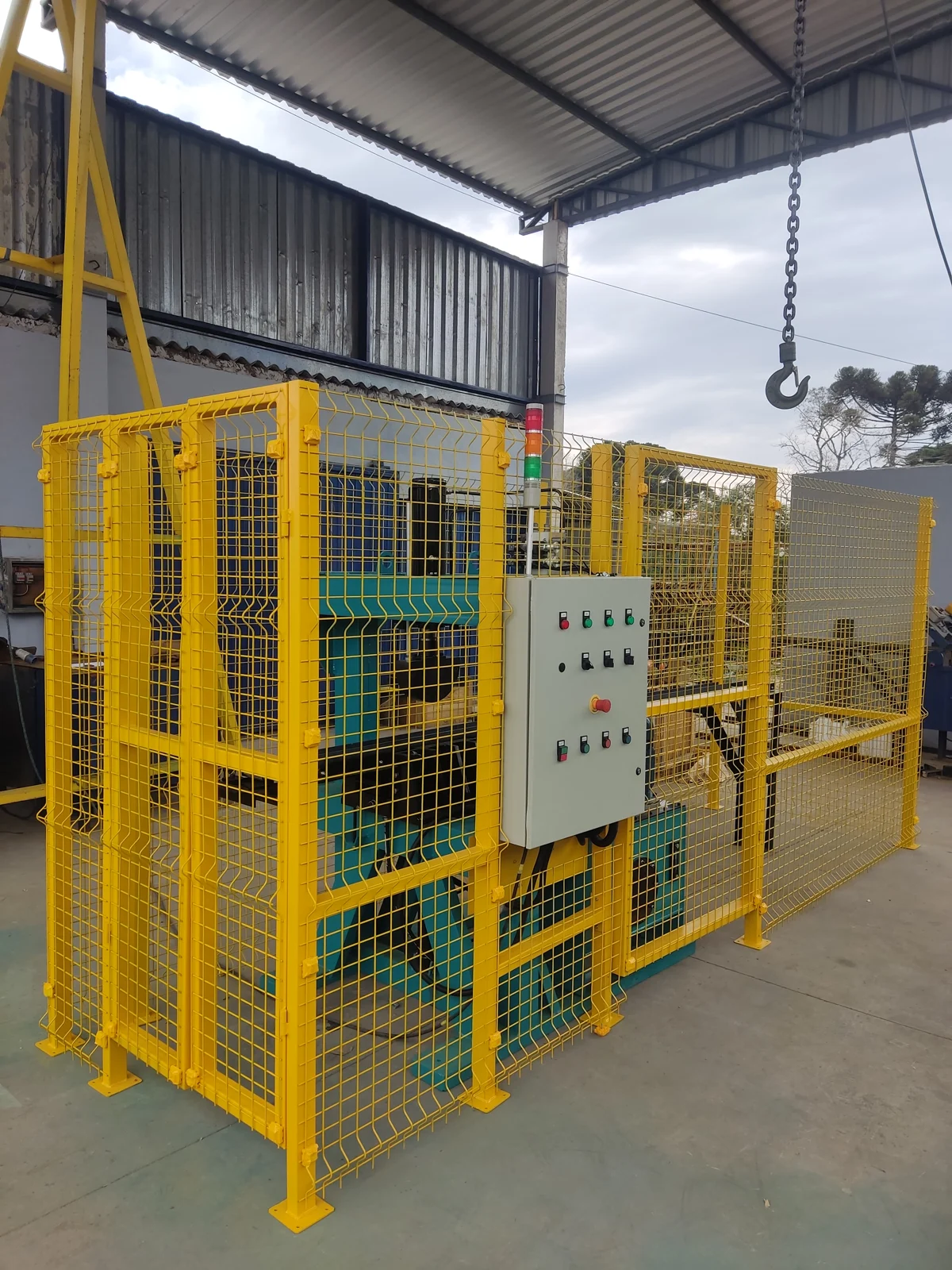
Risk assessment, technical reports and machine safety upgrades within the agreed scope.
View project →19 projects
Risk assessment, technical reports and machine safety upgrades within the agreed scope.
View project →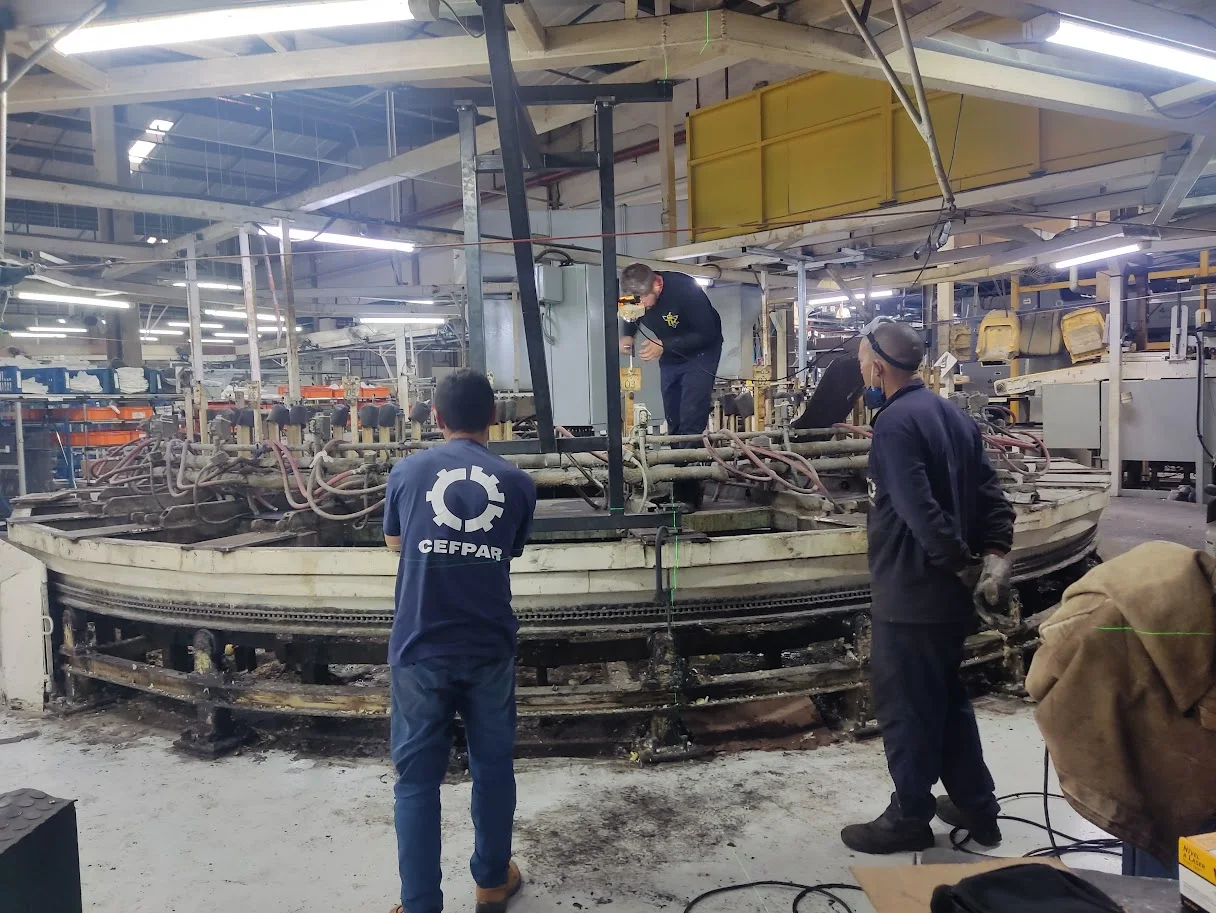
Industrial assembly connects engineering design with installed equipment. This collection of work shows the CEFPAR team positioning, fastening and adjusting machines, mechanisms and assemblies at customer plants.
View project →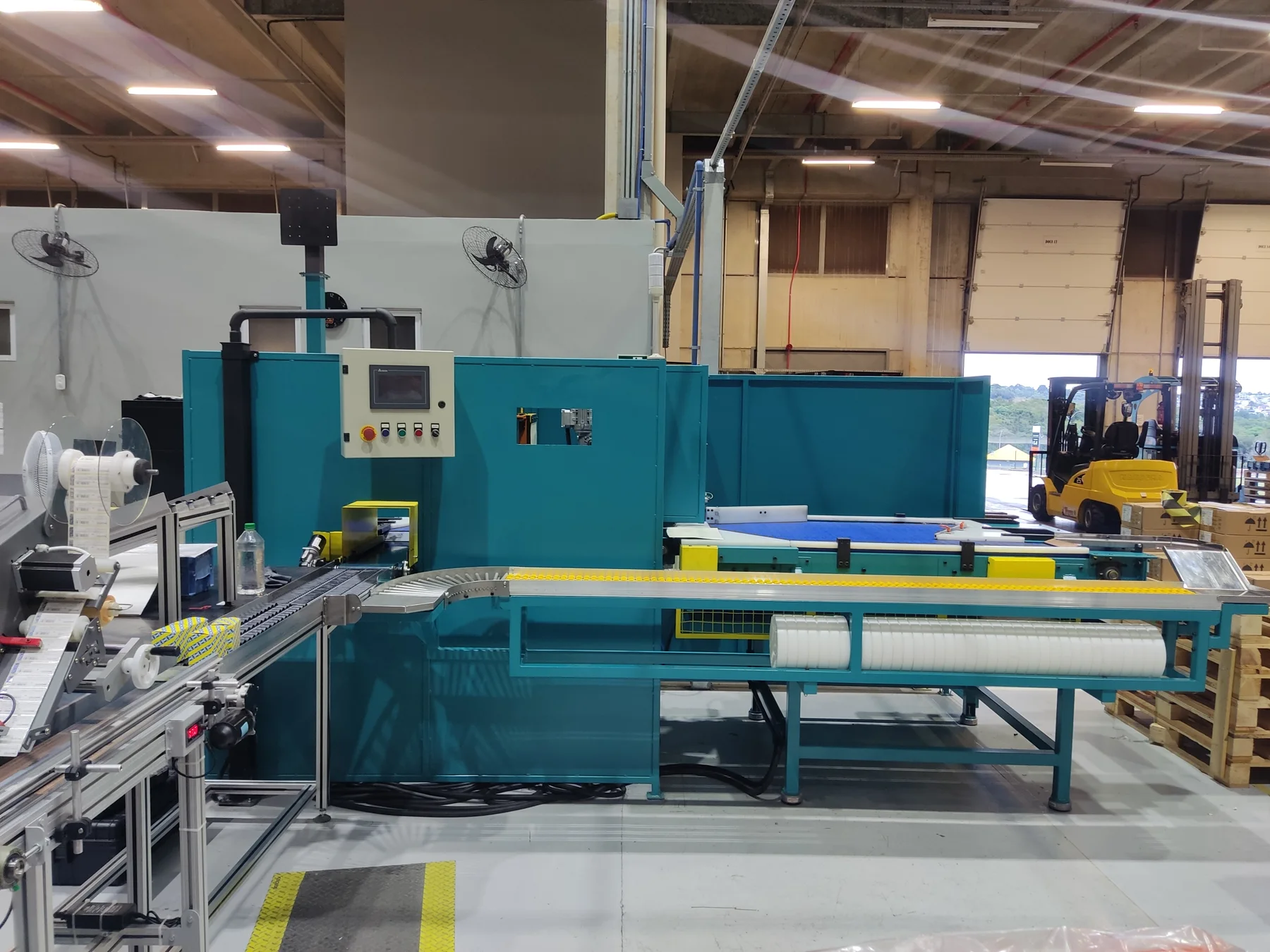
The bearing marking operation needed a station capable of managing part flow through the marking point. Material handling had to be integrated into the machine design.
View project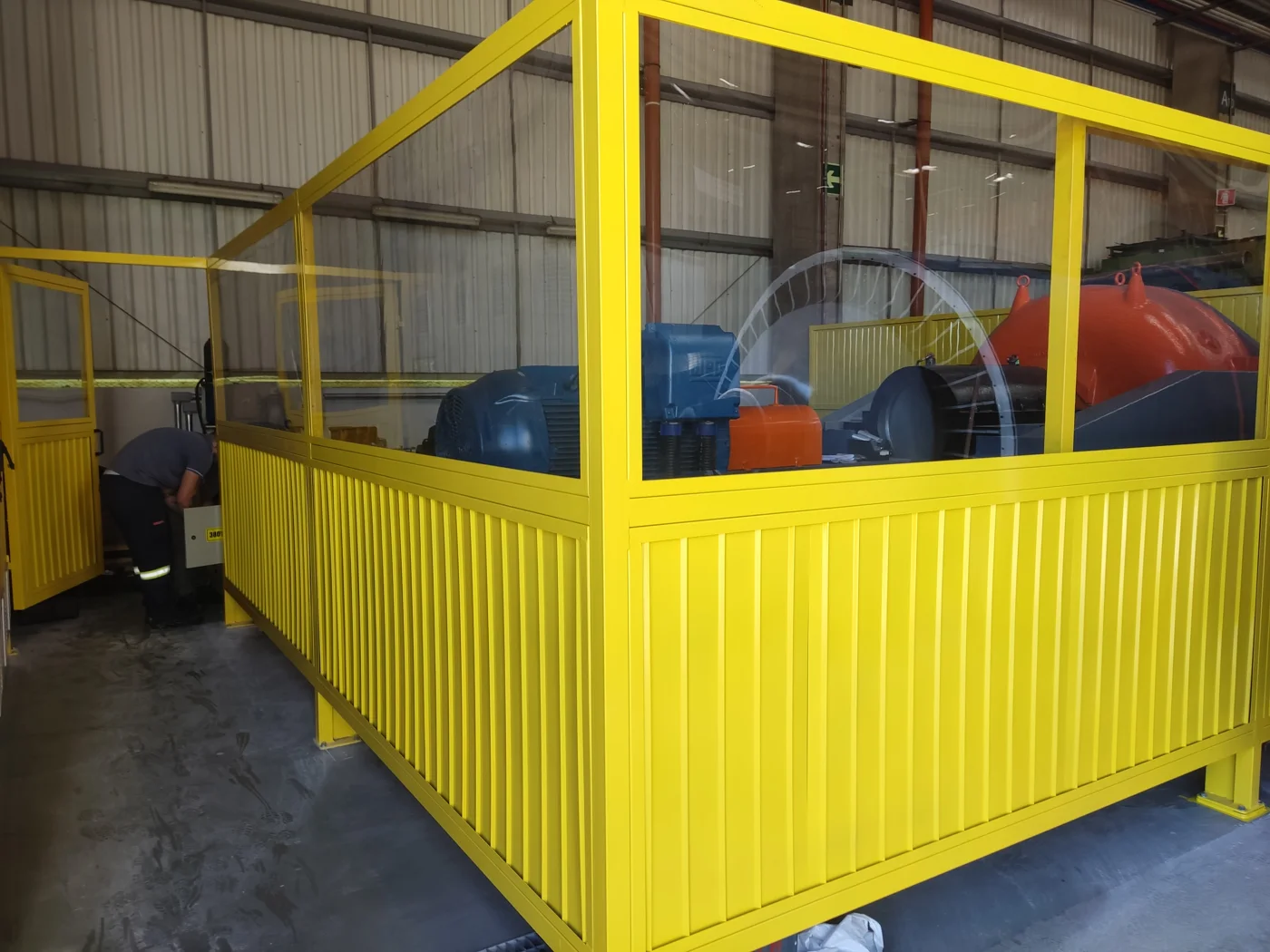
The machines needed physical guards suited to their configuration. Development had to consider the areas to be enclosed, mounting points and required equipment access.
View projectThe mold bases on an industrial carousel needed their positioning and mounting points restored. The work had to be carried out on the existing equipment, taking the assembly geometry into account.
View project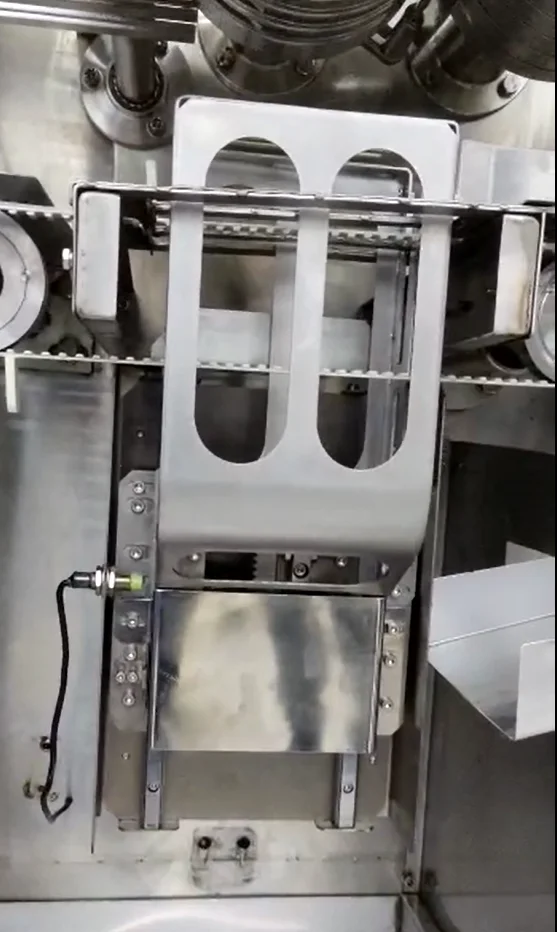
The stacking mechanism on a wet-wipe machine had an alignment limitation. Its movement needed to be reviewed and a solution adapted to the machine already in production.
View project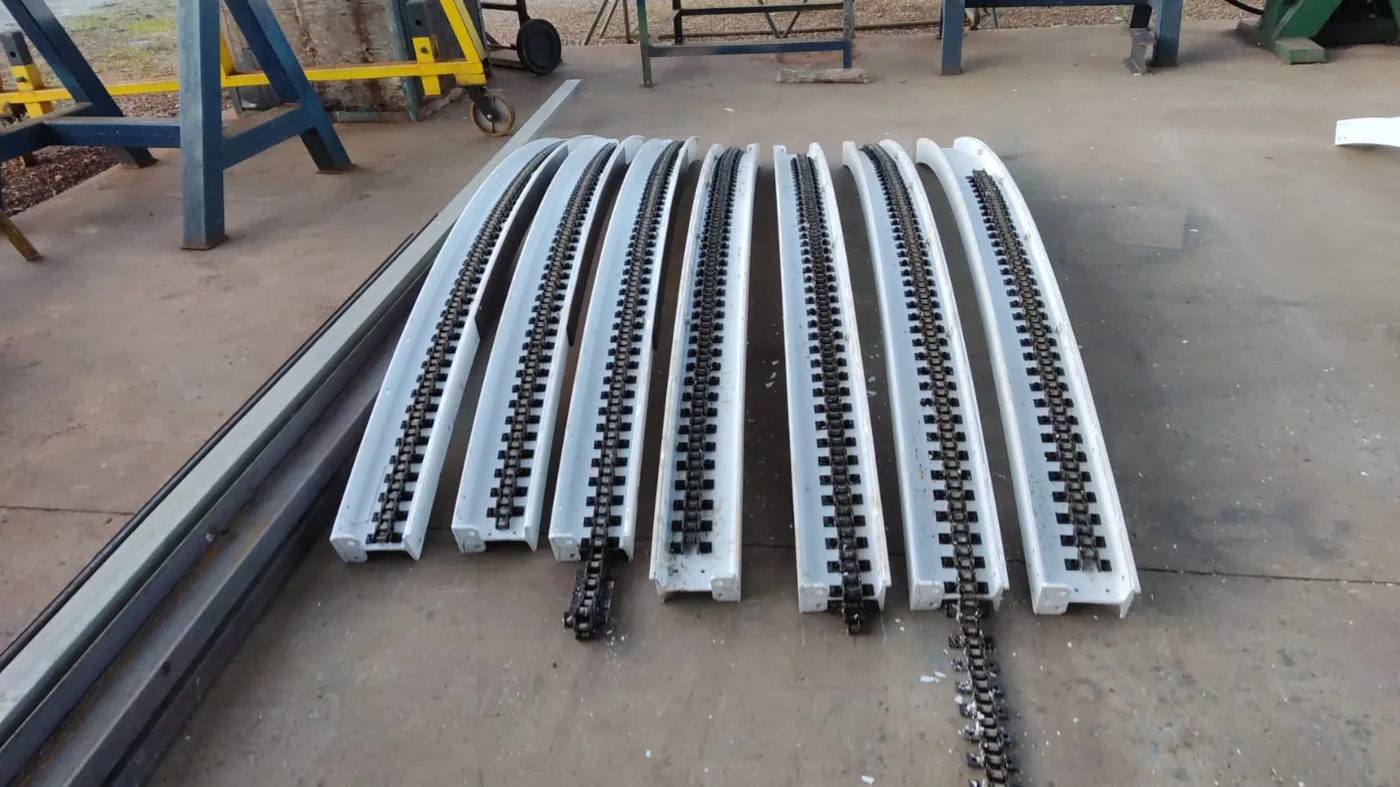
The drive guide on an industrial carousel required replacement. To carry out the work on site, the replacement components had to be fabricated and prepared in advance.
View project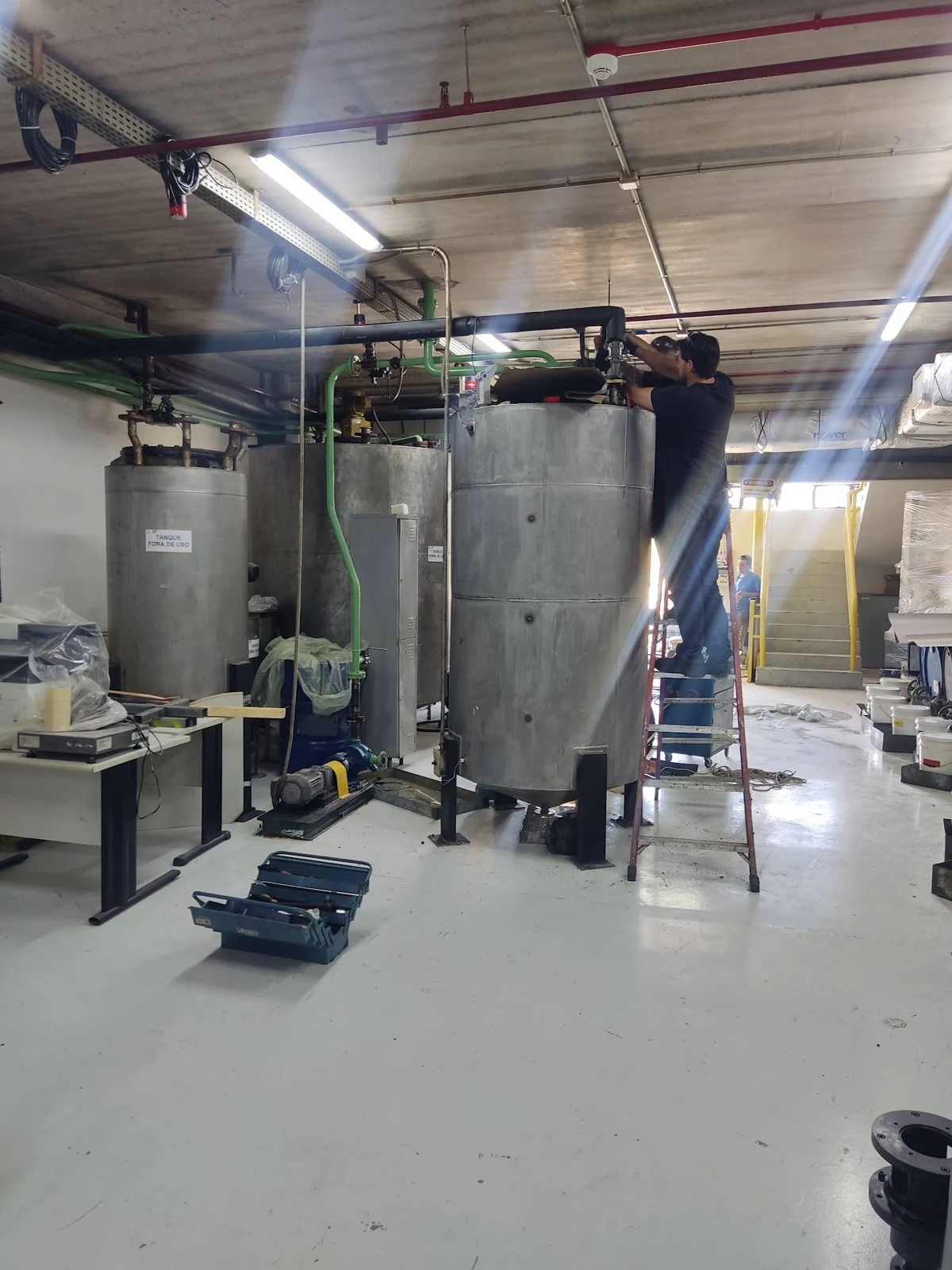
The connection between the gearbox and agitator needed to be redesigned to address misalignment and contamination issues. The solution had to fit the existing equipment and installation.
View project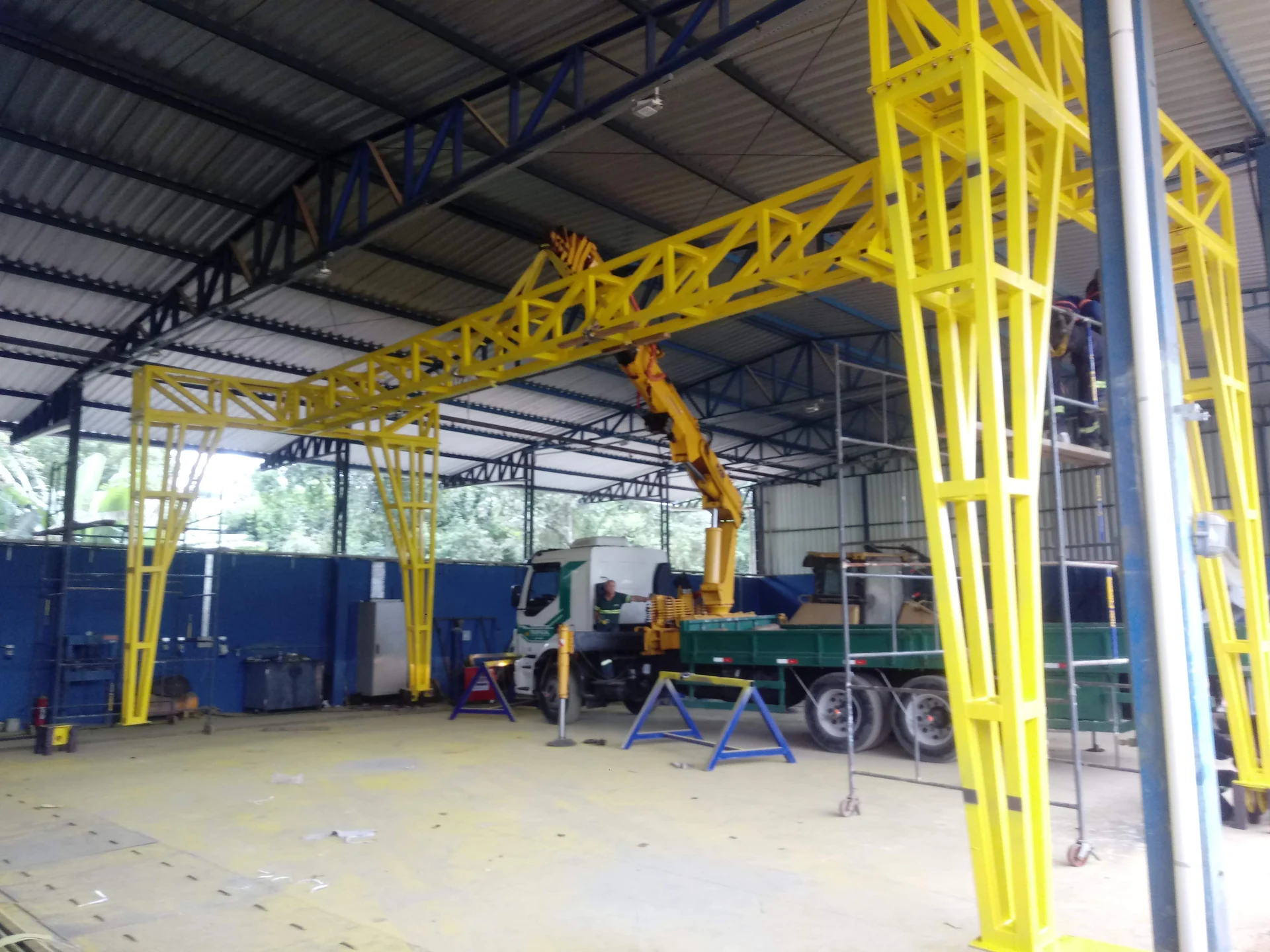
The client needed to move loads inside the building while accommodating the available space and truck circulation. The solution had to be designed around the actual installation conditions.
View project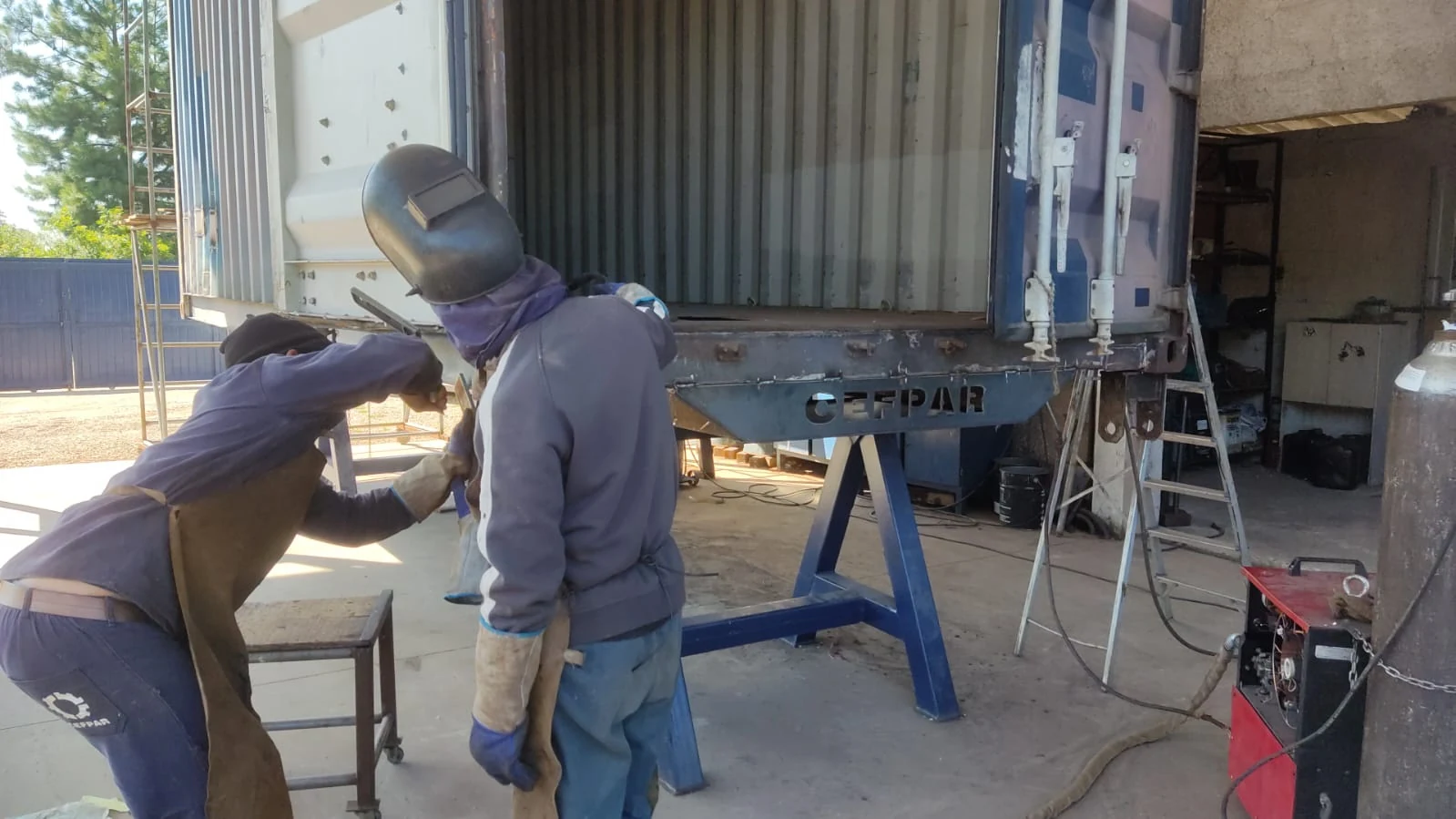
Fabrication of parts, structures and metal assemblies for different applications. This case brings together work from the CEFPAR portfolio, showing fabrication, assembly and finishing activities carried out by our team.
View project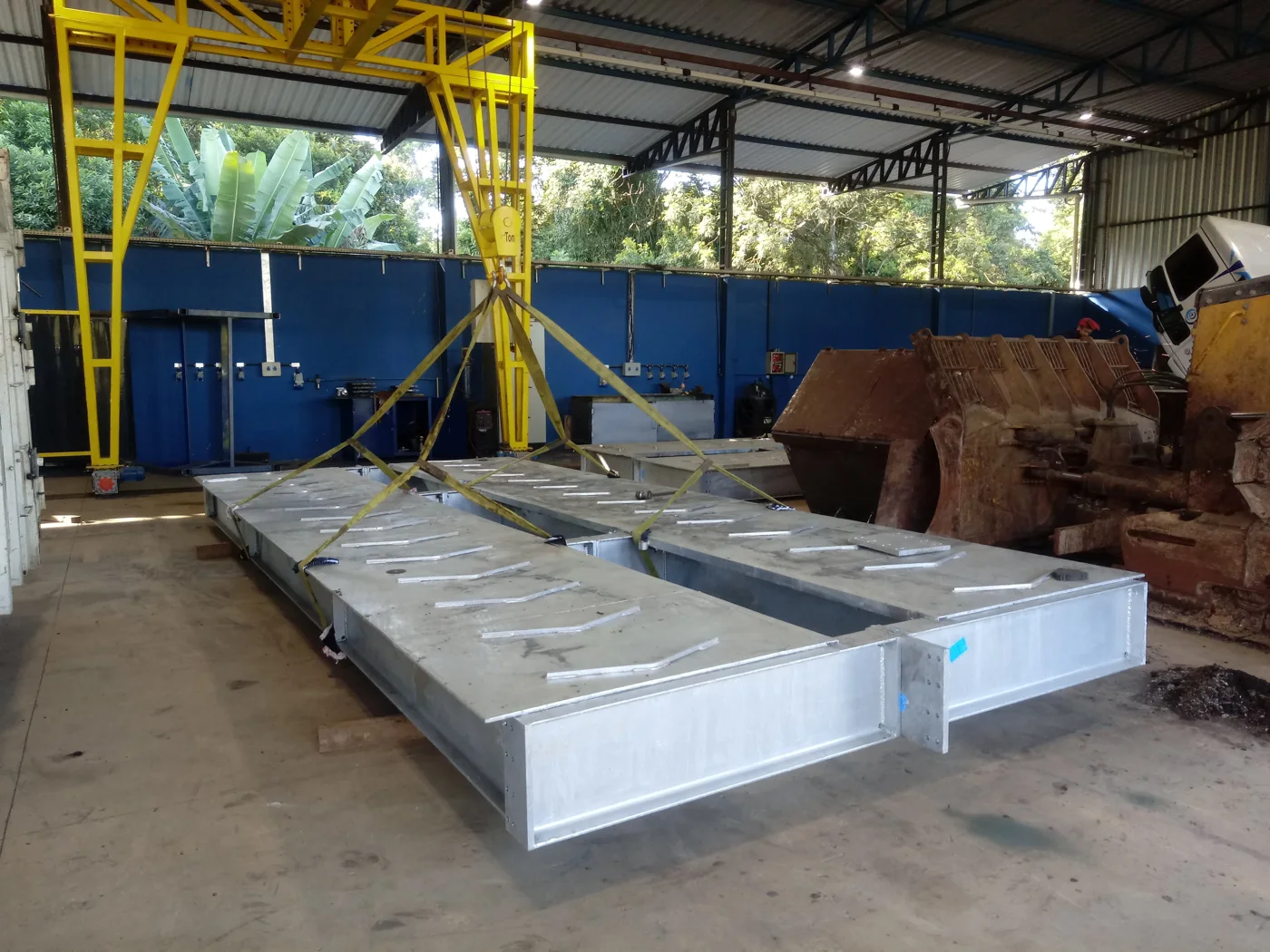
The vehicle-weighing application required a dedicated steel structure, prepared in modules for subsequent handling and positioning on site.
View project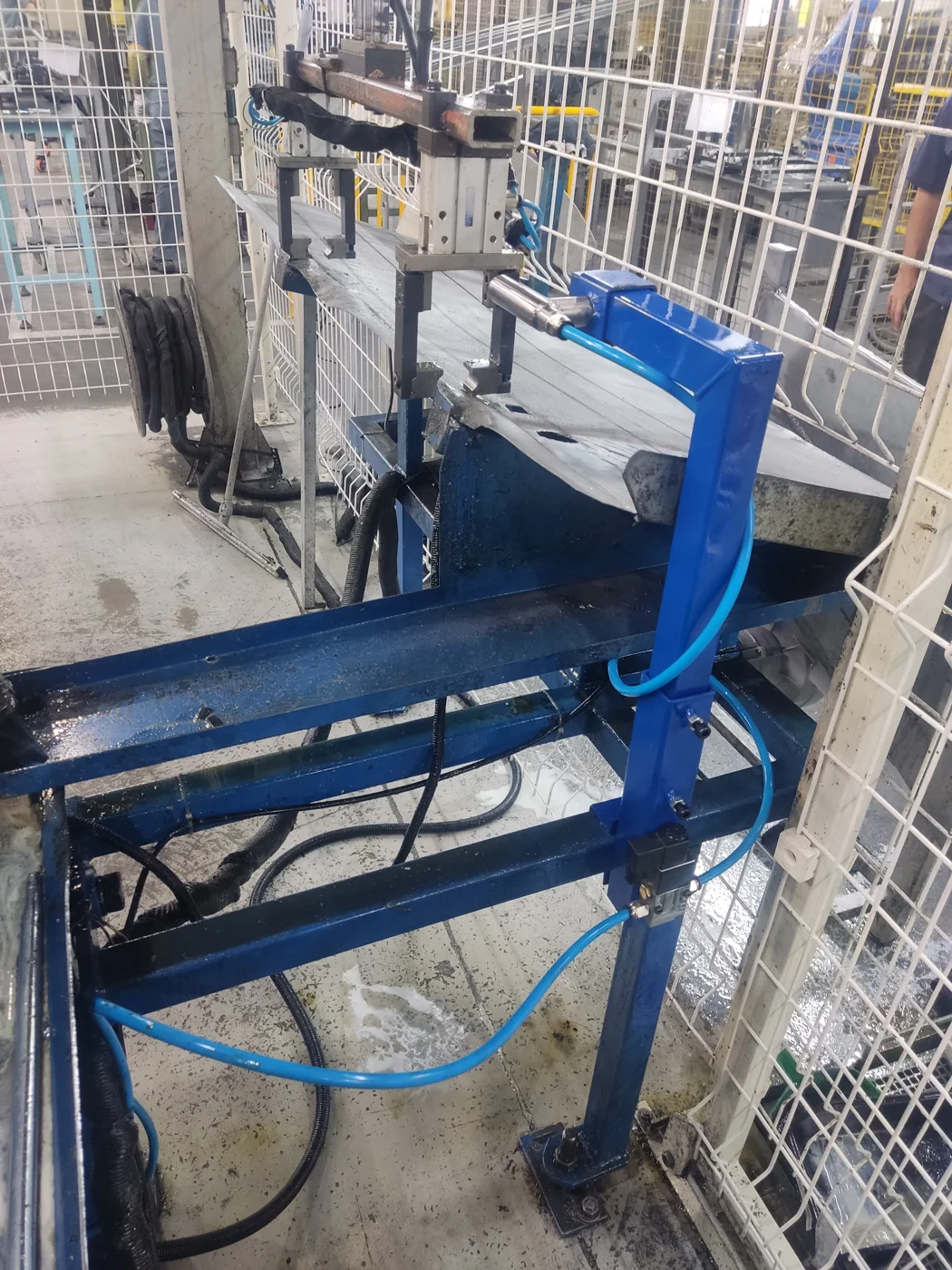
Tubes were leaving a production stage with excess fluid on the outside of their ends. A device suited to this application was needed at that point in the process.
View project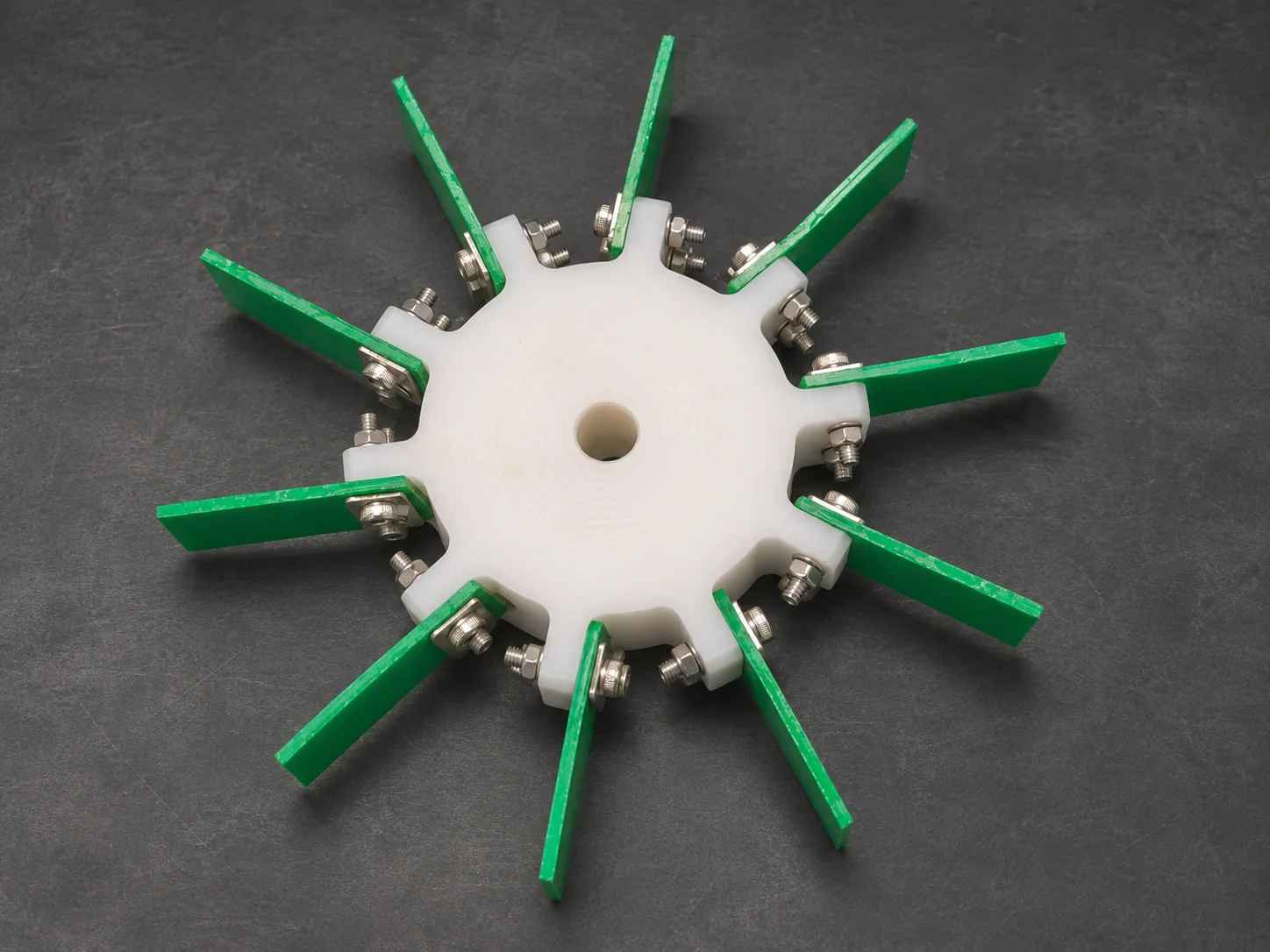
The cleaning component required frequent replacement. A solution was needed that allowed the wear elements to be replaced without changing the entire disc.
View project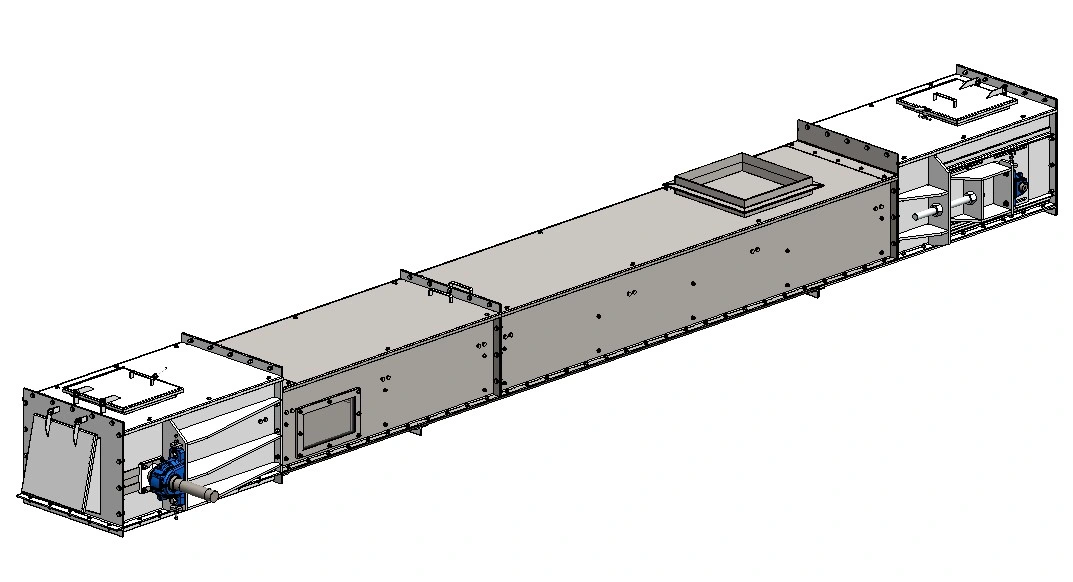
Mechanical design of drag-chain conveyors, including 3D assembly modeling and part detailing based on reference 2D documentation. The design organizes the information required for fabrication and assembly.
View project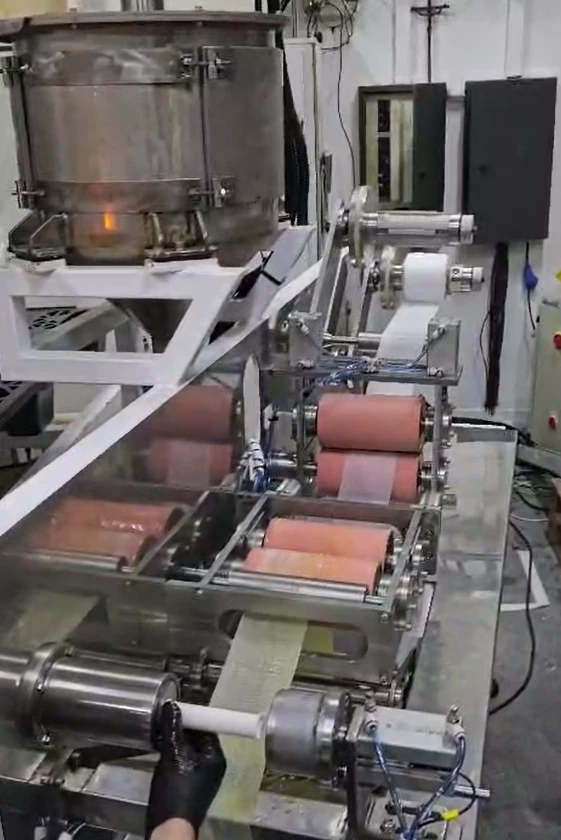
The client needed a dedicated machine for processing Unna boot bandages. The requirement involved turning the process into purpose-built equipment, developed from engineering through fabrication.
View project
The decoiler used a pneumatic cylinder in its actuation system. The scope was to replace it with screw actuation adapted to the existing machine.
View project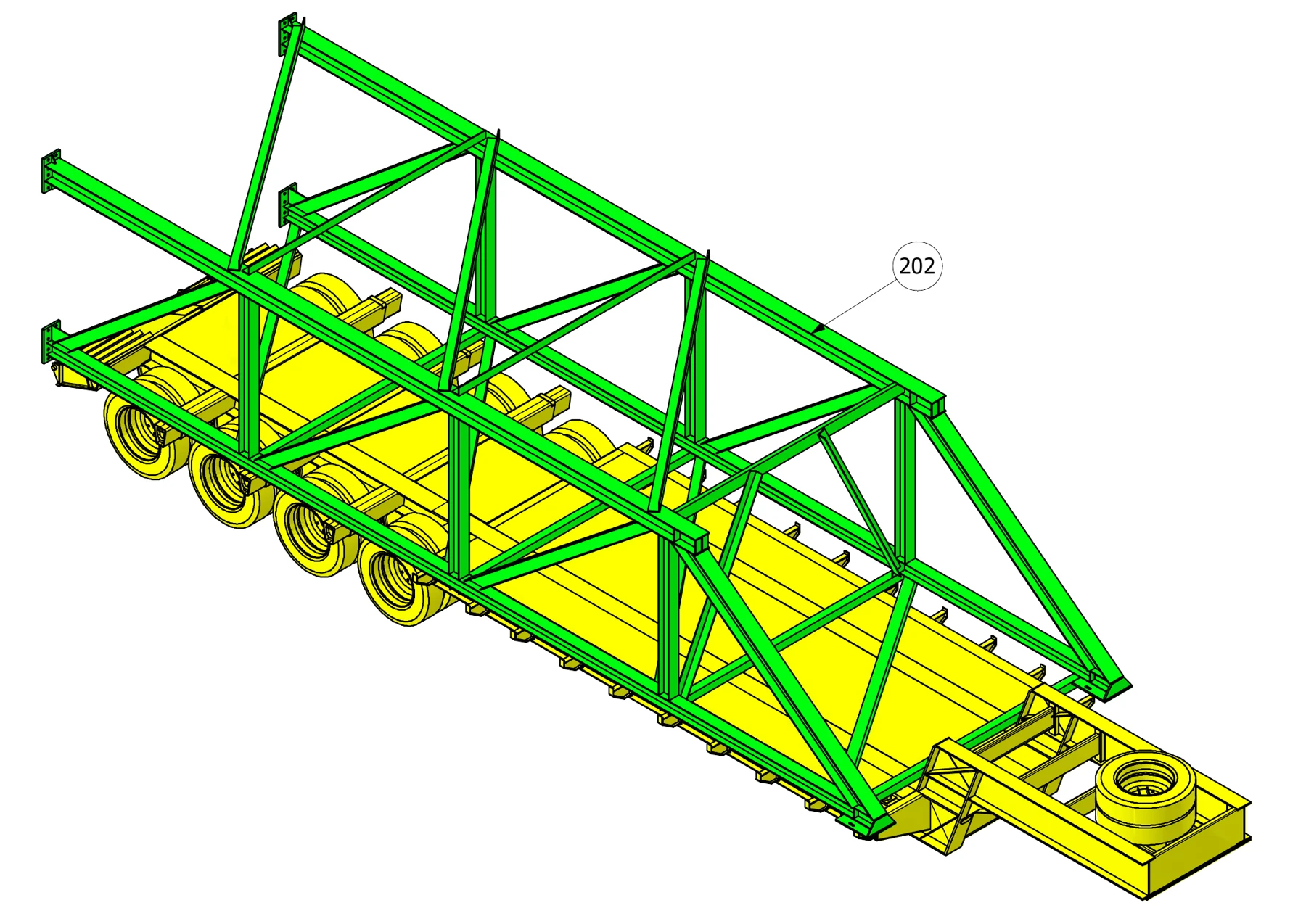
The client needed to plan the placement of industrial components for transport. The arrangement had to be defined before loading.
View project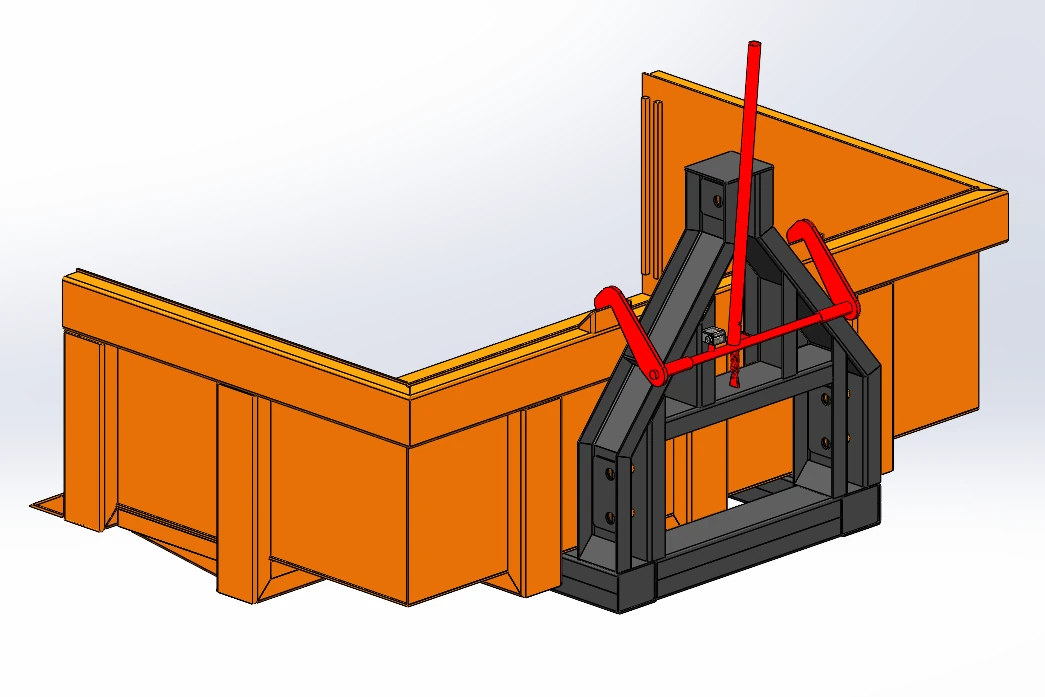
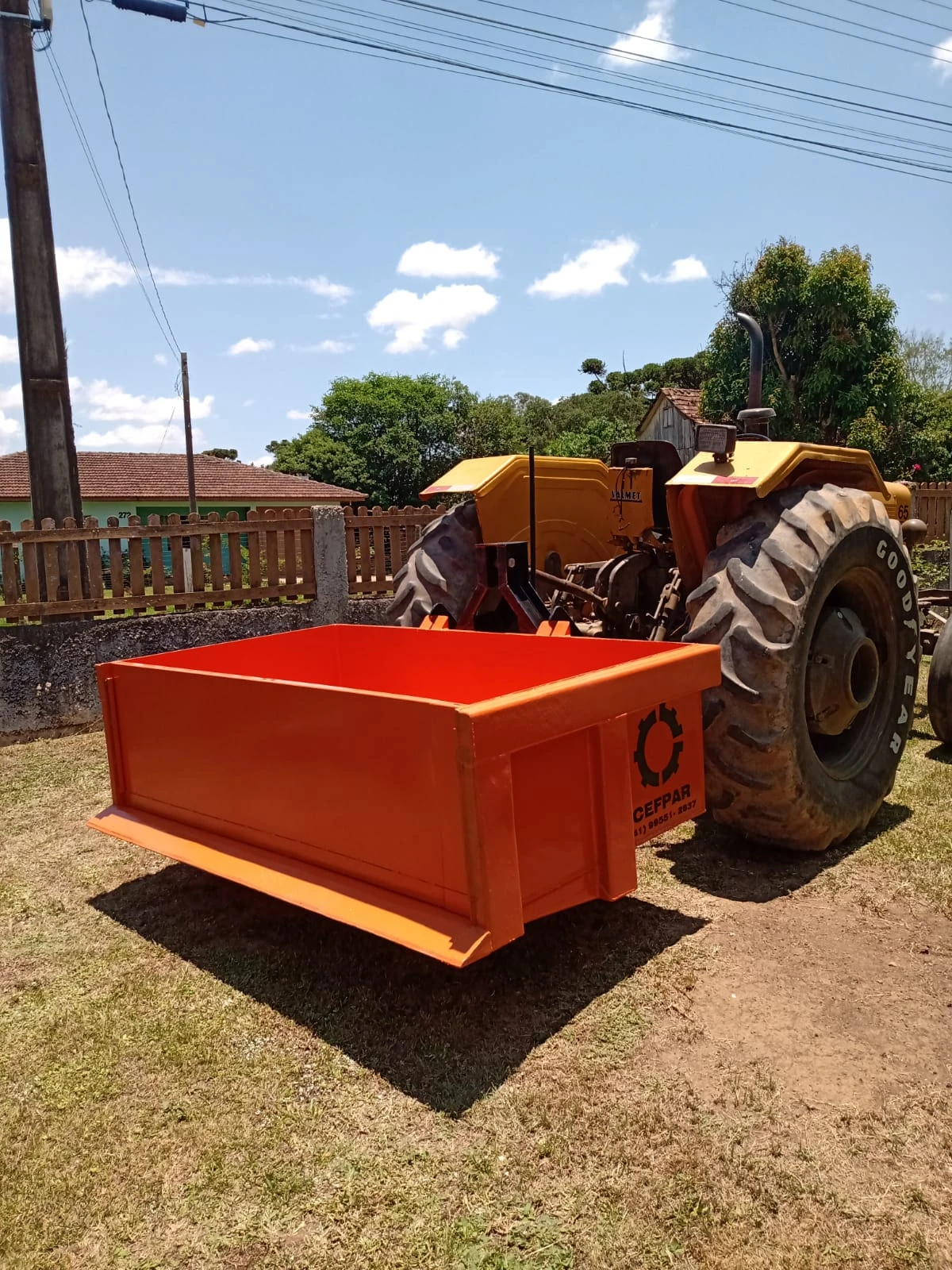
Turn an idea or application requirement into a technically defined product, considering its function, interfaces, materials and manufacturing requirements.
View project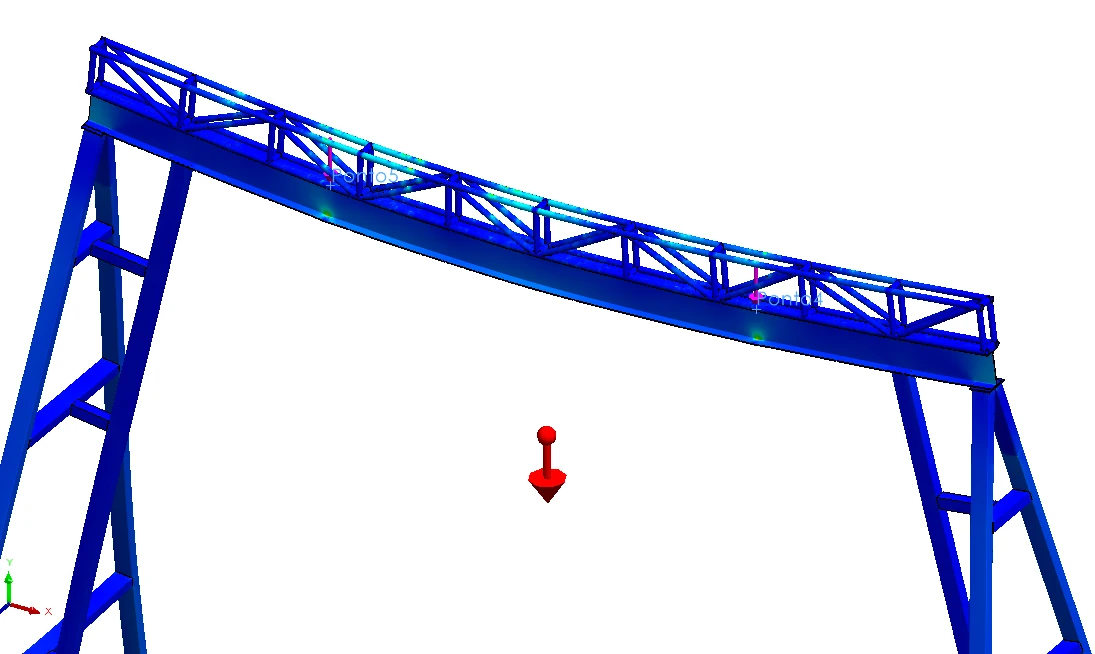
Assess how structures and mechanical components respond to their intended working loads, identifying highly stressed areas and opportunities to improve their design.
View project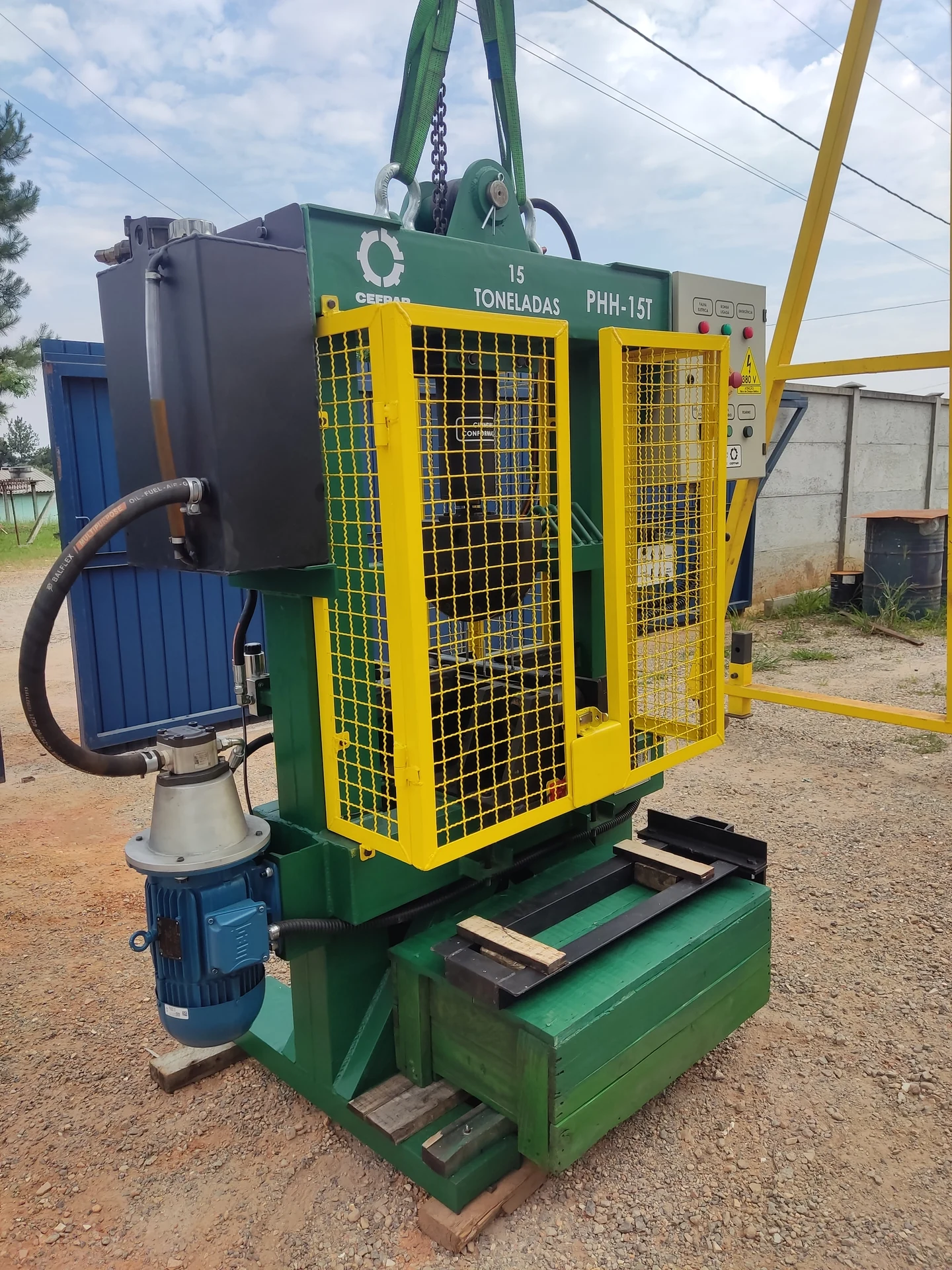
The operation needed a dedicated machine for forming metal profiles and bars. Development began with this process requirement to define equipment tailored to the application.
View project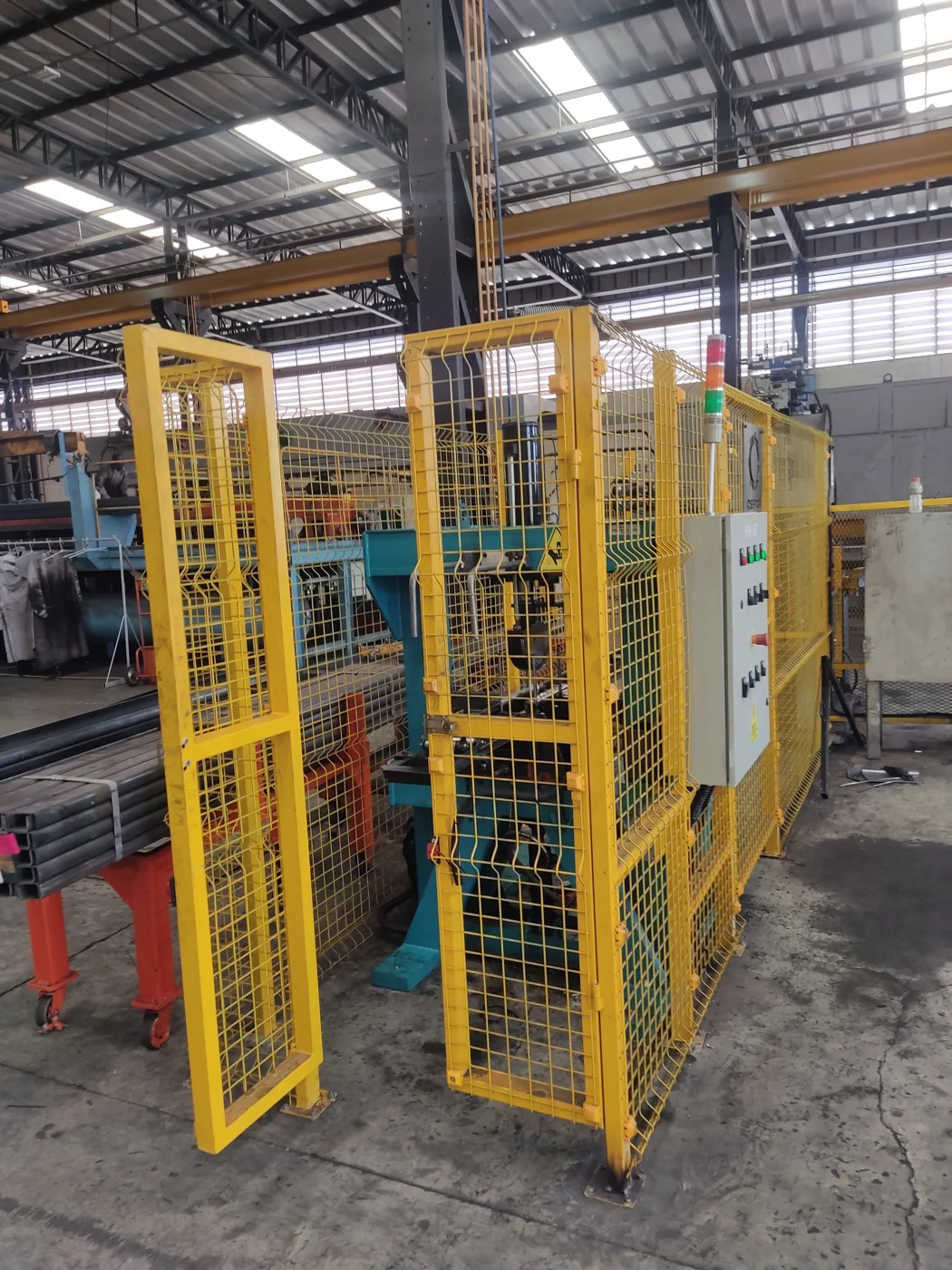
The client needed a press for a specific profile-bending application. The machine had to be developed around the forming operation, with mechanical assemblies dedicated to the process.
View project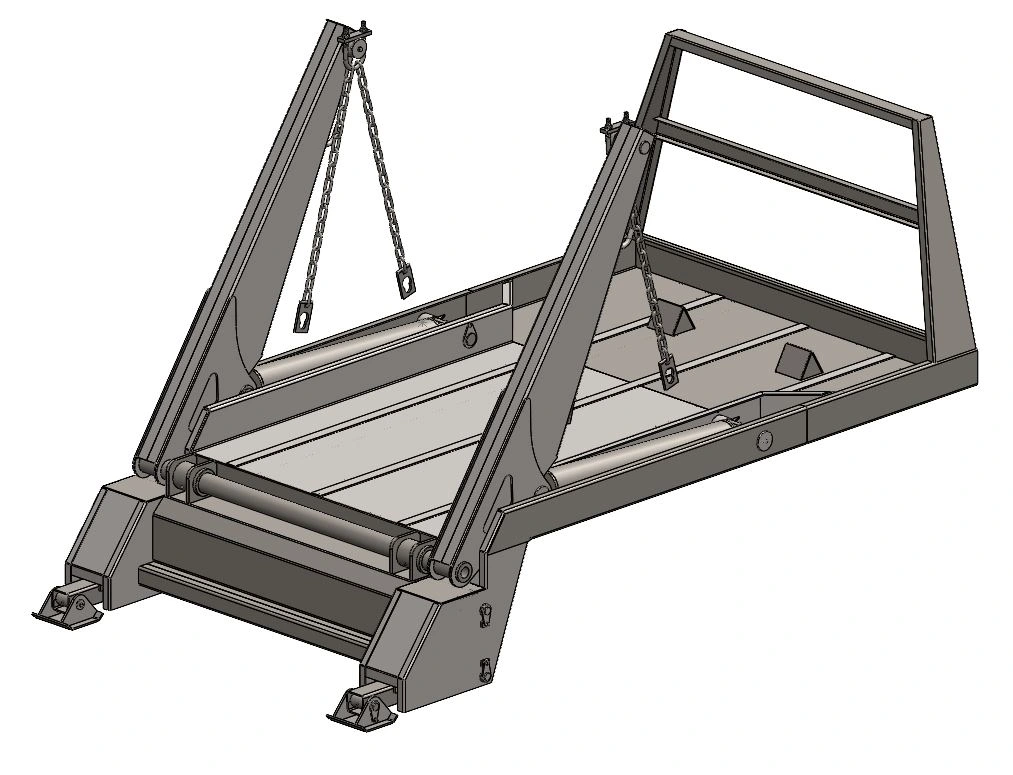
Design and development of truck bodies and related road transport equipment using 3D modeling technology. Reference 2D documentation is converted into three-dimensional assemblies representing the structure and arrangement of mechanical components.
View project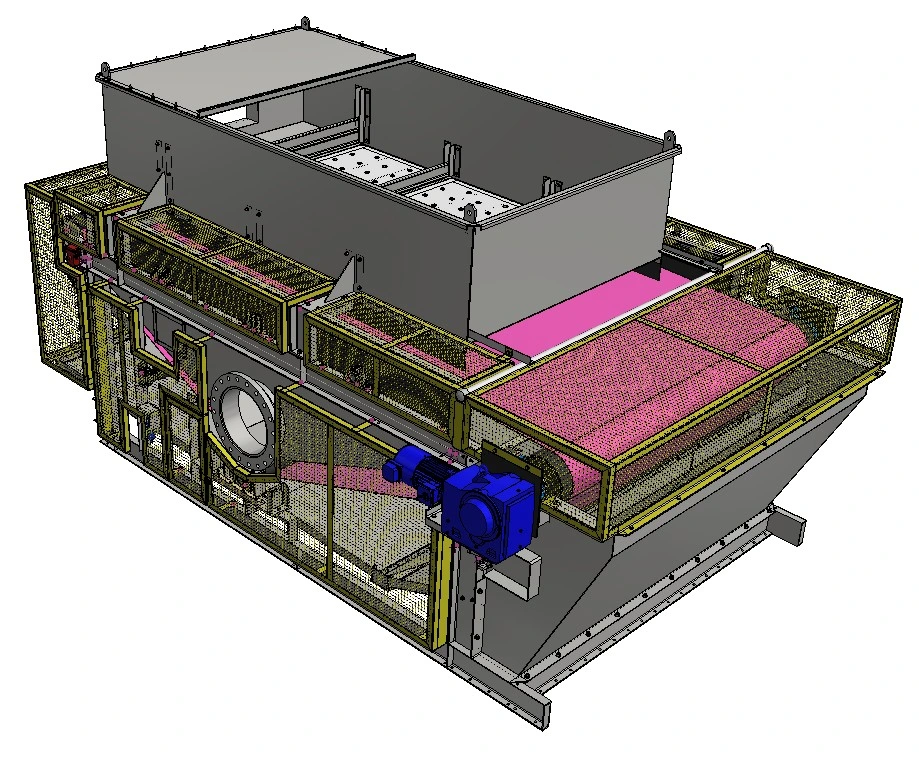
Design and development of a linear screen for water treatment using 3D modeling technology. The 2D documentation was used as a reference to represent the components and mechanical assembly configuration.
View project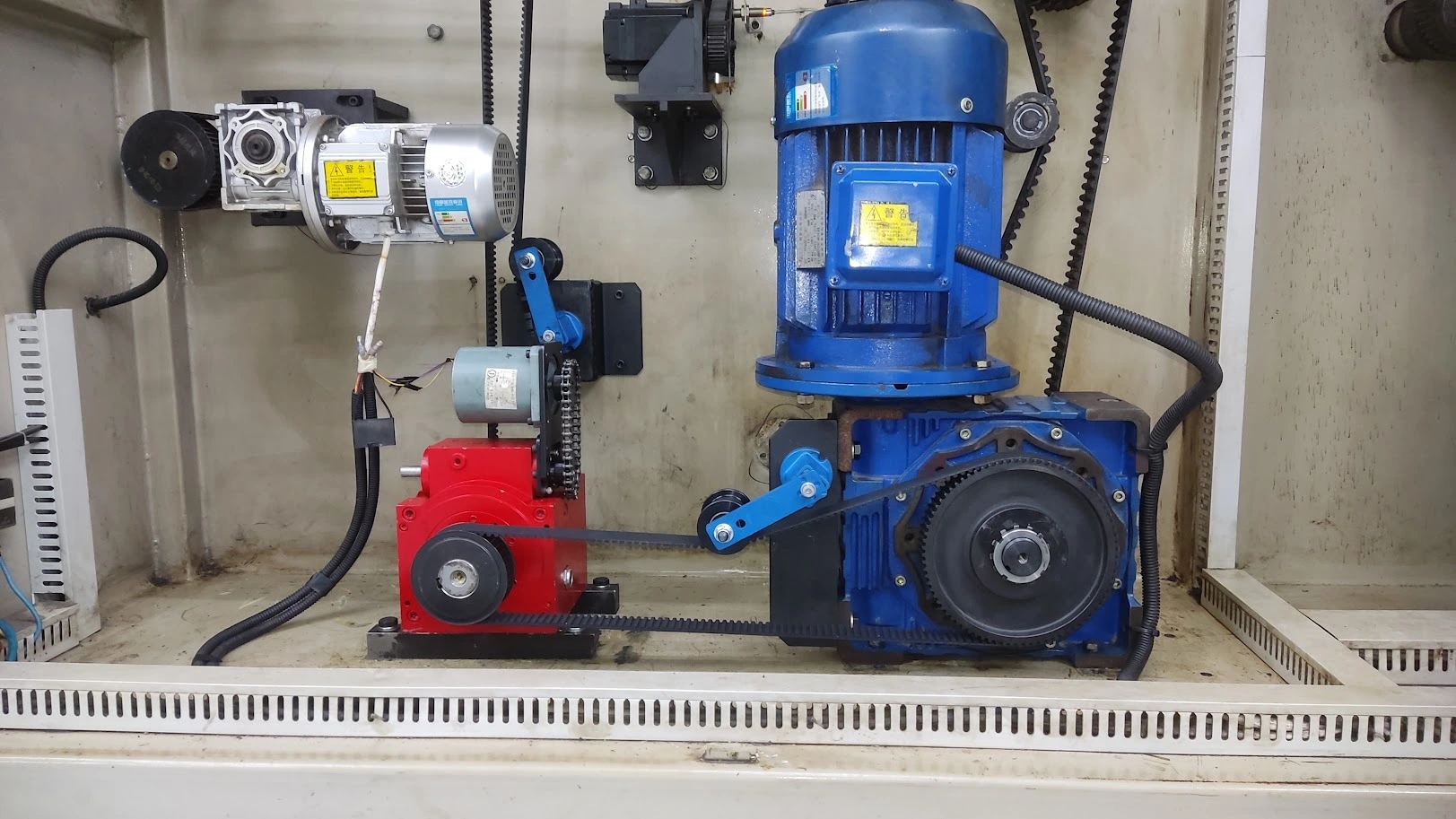
The timing drive on a wipe grouping machine needed changes to its transmission and component arrangement. The retrofit had to retain the existing machine and integrate the new assembly into its mechanism.
View project